Do You Need a DAC or Headphone Amp?
You've seen the term in every audiophile forum and headphone review: "you'll want a DAC/amp to drive these properly." It sounds like mandatory extra gear. Most of the time, it isn't. Here's what these devices actually do, in plain English, and how to tell whether you'd hear any difference.
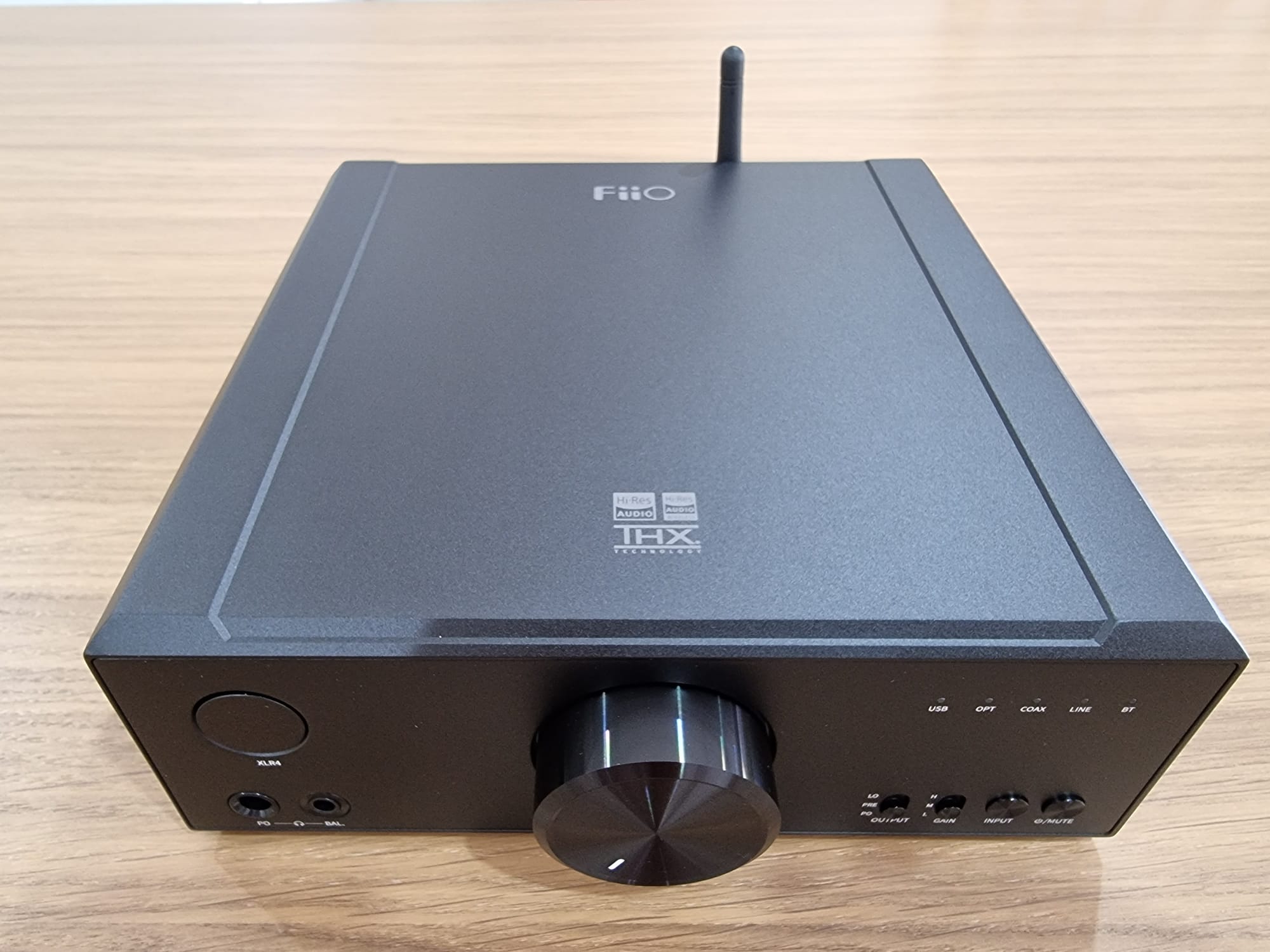
Photo: Wikimedia Commons (CC BY-SA 4.0)
What a DAC actually is
Every device that plays digital audio — your phone, laptop, TV, Bluetooth earbuds — contains a DAC, which stands for digital-to-analog converter. Music files store sound as numbers (digital). Your headphones need an electrical signal that moves air (analog). The DAC does that translation.
So if your phone plays music at all, it already has a DAC built in. A standalone DAC is just a better, separate version of a part you already own.
What a headphone amp does
After the DAC translates the signal, the amplifier makes it strong enough to push your headphone drivers — the little speakers inside the cups or earbuds. Every device has an amplifier too. Your phone's is tiny, because it has to sip battery and fit in a thin slab. A dedicated headphone amp is simply a stronger, cleaner version.
"Stronger" matters for one specific reason: volume. Some headphones need more power than others to reach comfortable listening levels.
The key concept: impedance and sensitivity
Two specs tell you whether headphones are hard to power:
- Impedance (measured in ohms) is roughly how much electrical resistance the headphones present. Higher impedance means they demand more voltage.
- Sensitivity (measured in decibels per milliwatt, dB/mW) tells you how loud they get for a given amount of power.
Most mainstream headphones are easy to drive: the Sony WH-1000XM6 sits at 48 ohms, AirPods Max and most earbuds are well under 100 ohms with high sensitivity. Plug them into anything and they get plenty loud.
The headphones that genuinely benefit from an amp are typically studio or audiophile models — things like a Beyerdynamic DT 880 at 250 ohms or 600 ohms, or a Sennheiser HD 650 at 300 ohms. Run those from a phone's headphone jack and they'll sound quiet, thin, and lifeless. An amp fixes that immediately.
So who actually benefits?
You probably benefit from an external DAC/amp if:
- You own high-impedance (150+ ohm) or low-sensitivity headphones and they don't get loud enough from your current gear.
- Your laptop's headphone output hisses, buzzes, or picks up electrical noise — a USB DAC bypasses the noisy circuitry inside the computer entirely.
- Your phone or laptop has no headphone jack at all (most don't, in 2026), and you want to use wired headphones: a $9–$15 USB-C dongle DAC is an external DAC. Apple's USB-C to 3.5mm adapter, for example, measures surprisingly well. That's a DAC purchase you may have already made without knowing it.
You probably don't benefit if:
- You listen over Bluetooth. Bluetooth headphones and earbuds have their own DAC and amp built in — the signal stays digital until it's inside the earcup. An external DAC literally cannot change the sound.
- Your headphones are already easy to drive and sound fine. Adding an amp won't make a Sony WH-1000XM6 or a $20 pair of IEMs sound "more detailed." At best it sounds the same; extra gain just risks hiss at the bottom of the volume range.
- You're chasing "cleaner sound" from already-competent gear. Modern phone and laptop DACs measure extremely well. The audible differences between a decent built-in DAC and a $100 external one are, for most people, zero.
What should you buy if you do need one?
Keep it simple and don't overspend. A few sensible tiers:
- Dongle DAC ($9–$25): Apple's USB-C to 3.5mm dongle or a similar no-name equivalent is enough for most wired earbuds and IEMs. This is the correct answer for the vast majority of people.
- Portable DAC/amp ($60–$150): Devices like the FiiO KA series or Qudelix 5K add enough power for 150–300 ohm headphones and usually throw in an EQ app. Good for a desk or travel setup.
- Desktop stack ($100–$300): Brands like Schiit, JDS Labs, and Topping make DAC-plus-amp combos that will drive essentially any headphone made. Beyond this price point you're paying for features, build, or aesthetics — not audible performance gains.
One spec to glance at: power output into 32 ohms, usually quoted in milliwatts. A portable device pushing 200+ mW is plenty for nearly everything; 1,000+ mW (1 watt) covers even power-hungry planar headphones.
The honest bottom line
For wireless headphones, an external DAC/amp is irrelevant — the conversion happens inside the earcup. For easy-to-drive wired gear, a cheap dongle is all you'll ever need. The only people who genuinely need a dedicated amp are owners of high-impedance or low-sensitivity headphones who can't reach satisfying volume.
If you're shopping for your first "serious" headphones, put the money toward the headphones themselves. A $250 pair of headphones run straight from your laptop will sound better than a $150 pair with a $100 amp attached. The amp is a solution to a specific problem — quiet, underpowered headphones — not a magic upgrade box.