
5G, mmWave, and Satellite Messaging Explained
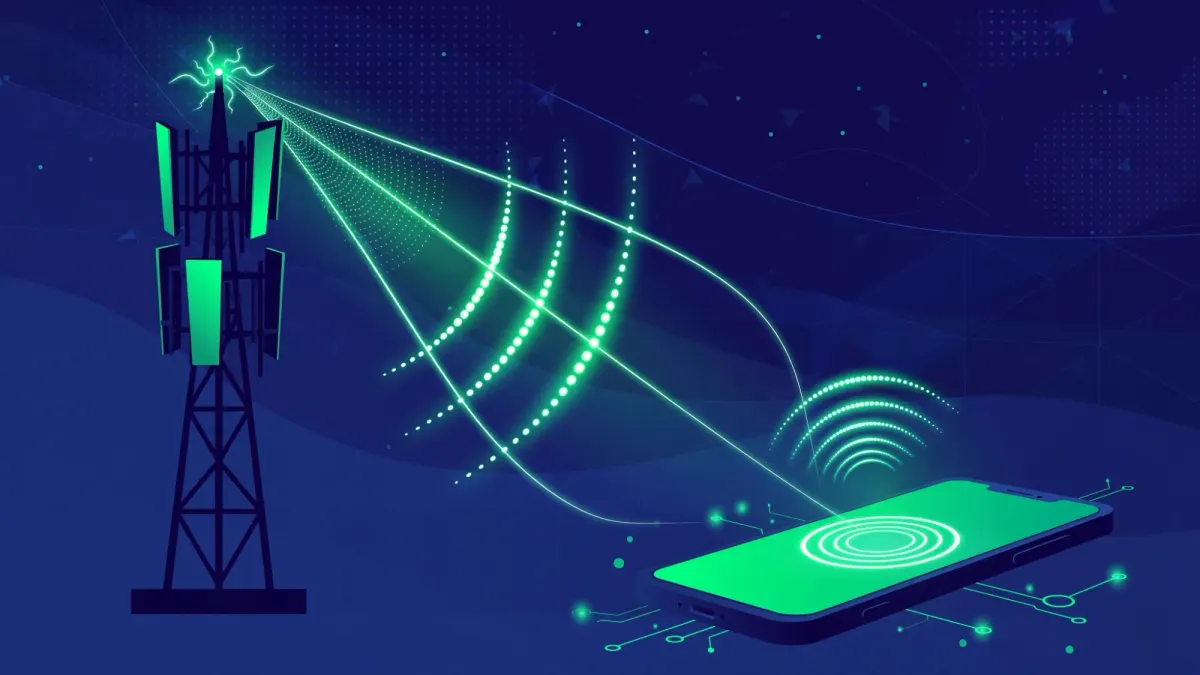
Phone makers love slapping "5G" on everything, carriers love advertising speeds you'll never see, and now satellite messaging is the new buzzword. Here's what each of these actually means for you — and which ones should influence what phone you buy.
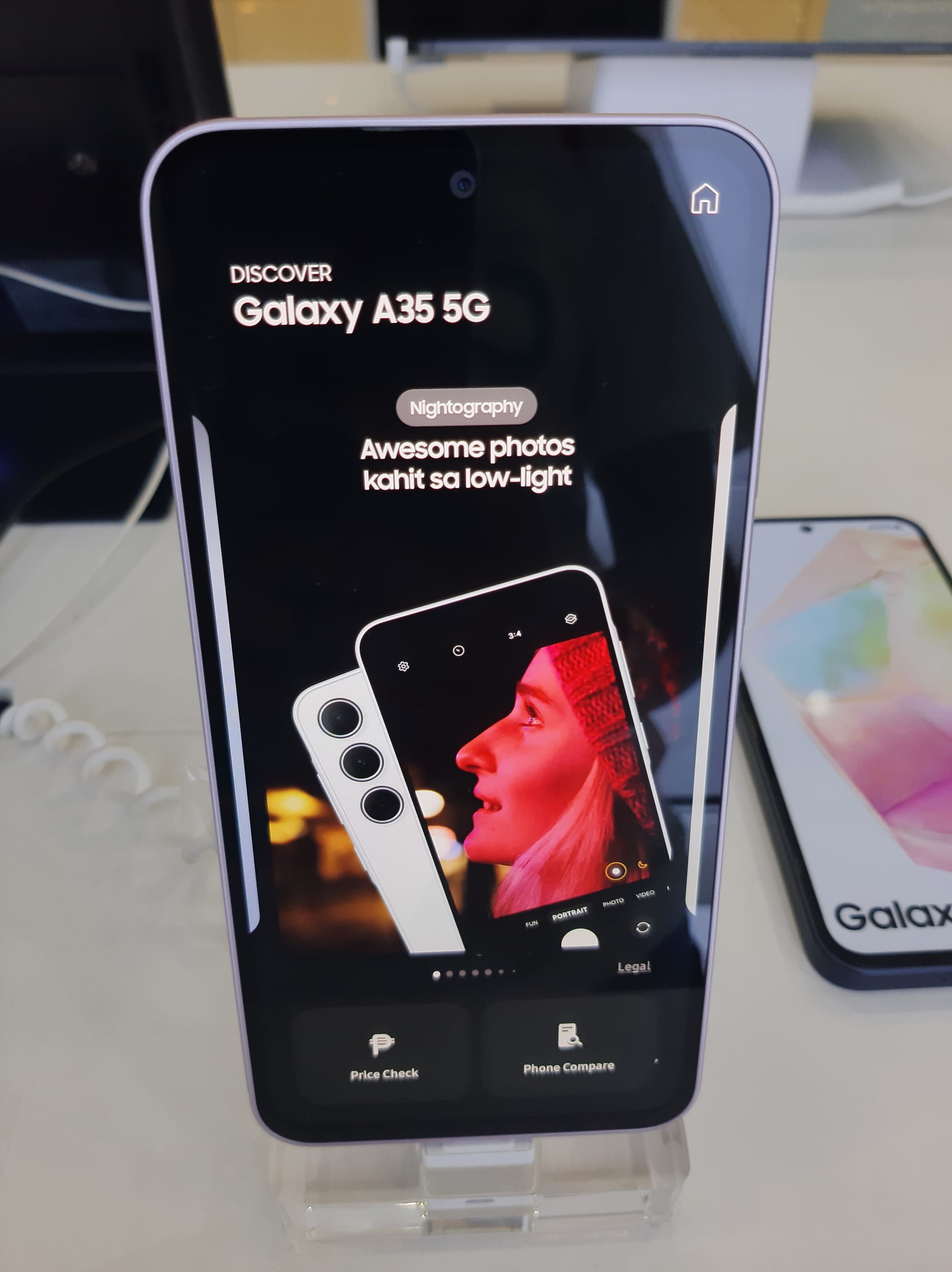
Photo: Wikimedia Commons (CC BY-SA 4.0)
What 5G actually is
5G is the fifth generation of cellular network technology — the successor to 4G LTE. In everyday terms, it's a faster, higher-capacity connection between your phone and the nearest cell tower. Downloads finish sooner, video calls are smoother, and crowded places (stadiums, concerts, busy downtowns) handle far more simultaneous users without grinding to a halt.
The important thing to know: 5G is not one thing. It's an umbrella covering two very different technologies that carriers market under the same name. Understanding the difference saves you from overpaying for a logo.
Sub-6 vs mmWave: the two flavors of 5G
Sub-6 GHz ("sub-6") is the 5G most people actually use. It travels far from cell towers and passes through walls reasonably well — like 4G, but faster and with more capacity. Speeds are typically 100–400 Mbps in real-world use: several times faster than LTE, and more than enough for 4K streaming, video calls, and everything else on a phone.
mmWave (millimeter wave) is the exotic one. It can hit staggering speeds — 1,000+ Mbps — but the signal barely travels: it covers a few city blocks from each antenna, struggles with walls, windows, and even heavy rain, and mostly exists in dense downtown areas, stadiums, and airports.
Here's the honest part: carriers spent years hyping mmWave because the speed-test numbers look incredible in ads. In daily life, sub-6 is the 5G that matters — it's the one covering your home, your commute, and your office. mmWave is a nice bonus if you happen to stand under the right antenna, not something to shop for.
Do you need to care about mmWave when buying?
Almost certainly not. Every current flagship and most mid-range phones support both sub-6 and mmWave anyway, so it's not a decision you have to make. The only buyers who should check: if you're buying an ultra-budget phone (under $200) or importing an international model, verify it supports your carrier's 5G bands — sub-6 first, mmWave if you live in a covered downtown area.
Don't pay extra for mmWave. Don't choose a phone because of it. It's the least important spec on this page.
Satellite messaging: texting without cell towers
Satellite messaging lets your phone send texts directly to satellites when you have no cellular or Wi-Fi signal — hiking in the backcountry, driving through dead zones, or caught in a disaster that knocked out towers.
Here's what it does and doesn't do:
- It does: send short text messages (and your GPS location) to emergency services or designated contacts when you're off the grid. This genuinely saves lives, and it's the feature's whole point.
- It doesn't: replace your cell plan. Messages are slow (they can take a minute or more to send), limited to text, and often restricted to emergencies or a small set of pre-written check-in messages depending on the phone and carrier.
Which phones have it: Apple built Emergency SOS via satellite into iPhones starting with the iPhone 14, and it's standard on current models. Several Android flagships — including recent Samsung Galaxy and Google Pixel phones — now offer satellite messaging too, though availability varies by carrier and region. It's becoming a standard flagship safety feature rather than a differentiator.
What actually matters when buying
Cut through the marketing with this checklist:
- Sub-6 5G support — table stakes in 2026; every phone worth buying has it.
- Carrier compatibility — an unlocked phone that supports your carrier's bands matters far more than any 5G logo. Check the carrier's BYOD (bring your own device) page before buying unlocked.
- Satellite messaging — nice safety net on flagships; don't pay a premium for it alone, but prefer phones that include it at the same price.
- mmWave — ignore it unless it's free.
The big picture: connectivity is one of the least differentiating parts of a phone in 2026. Every phone in our roundups — from the $199.99 Galaxy A16 5G to the $1,899 Pixel 11 Pro Fold — handles 5G well enough that your carrier plan and coverage matter more than your handset. Spend your decision energy on cameras, battery life, and software support instead.
.jpg?ref=stackandvalue.com)