OLED vs QLED vs Mini-LED: Which TV Panel Should You Buy in 2026?
OLED, QLED and Mini-LED each win on different things. This plain-English guide explains how they work, where each falls short, and which panel fits your room and budget.

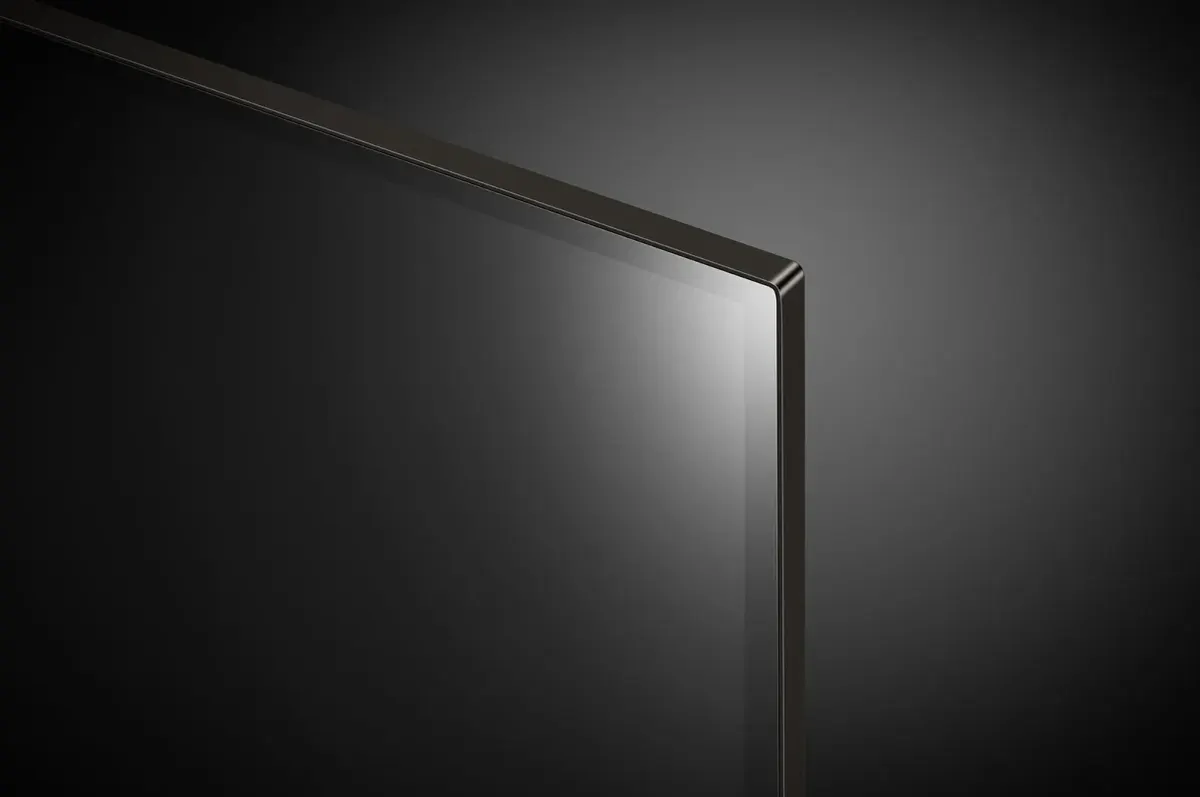
If you're shopping for a TV in 2026, you'll keep running into the same three words: OLED, QLED, and Mini-LED. They describe the three panel technologies you'll find on store shelves, and the differences between them genuinely matter. Here's what each one actually is, and how to pick — in plain English.
Photo: LG (manufacturer press image)
How each panel works
OLED is the simplest to understand: every pixel makes its own light and can switch off completely. That's why an OLED screen can show true black — black isn't "dark blue," it's pixels turned off. There are two main flavors in 2026: LG-style WOLED (found in the LG C6 and G6) and Samsung's QD-OLED (found in the Samsung S95H and Sony Bravia 8 II), which adds a quantum-dot layer for richer color.
QLED is Samsung's branding, and the name causes a lot of confusion. A QLED TV is actually an LCD TV with a quantum-dot film sitting between an LED backlight and the panel. The backlight shines through the whole screen, and the quantum dots boost color. Picture-wise it's a refined LCD, not a new display technology in the OLED sense.
Mini-LED is also LCD-based, but with a much smarter backlight. Instead of one big backlight, the screen uses hundreds or even thousands of tiny LED zones that can dim independently — a technique called local dimming. Mini-LED sets almost always pair this with quantum dots too. Examples include the TCL QM8, the Hisense U8 series, and Samsung's Neo QLED line like the QN90F.
Picture quality
This is where OLED shines — literally by being able to go dark. Because each pixel controls its own light, OLED delivers perfect contrast: bright highlights next to genuinely black shadows, with no halos. It's the best-looking picture for movies in a dark room, and it's why OLED consistently wins picture-quality shootouts.
Mini-LED is the closest rival. With hundreds of dimming zones, it gets deep blacks and strong contrast that beat standard LED sets handily — but because the zones are still bigger than a pixel, you can sometimes see a faint halo ("blooming") around bright objects on dark backgrounds.
Standard QLED without local dimming sits third on contrast: blacks look washed out in dark scenes next to an OLED.
Photo: Samsung (manufacturer press image)
Brightness and viewing angles
Brightness is where the tables turn. LCD-based sets — QLED and Mini-LED — can push far more light, which makes them the better pick for bright, sunlit living rooms where an OLED's image can look dim by comparison. OLED has gotten much brighter in recent years (flagships now peak around 2,000 nits), but the brightest Mini-LEDs still out-punch it in a bright room.
Viewing angles flip it back. OLED keeps its contrast and color when you watch from the side of the couch; LCD-based panels typically wash out or lose contrast at wide angles. If people watch from several seats, OLED has the clear edge.
Burn-in and lifespan
OLED's one real weakness is burn-in: if the same static image (a news ticker, a game HUD) stays on screen for hours daily over months, it can leave a faint permanent ghost. Modern OLEDs fight this with pixel-shifting and automatic pixel-refresh cycles, and for normal varied viewing it's rare. But if your TV mostly shows static content all day, an LCD-based panel has zero burn-in risk and is the safer long-term choice.
Price
OLED is the premium tier: entry-level 55-inch OLEDs start around $900–$1,000, and flagships climb well past $2,000 at 65 inches. Mini-LED is the value sweet spot — 55-inch sets from brands like TCL and Hisense often start around $600–$700. Standard QLED and basic LED sets are the budget pick, frequently under $500 for a 55-inch.
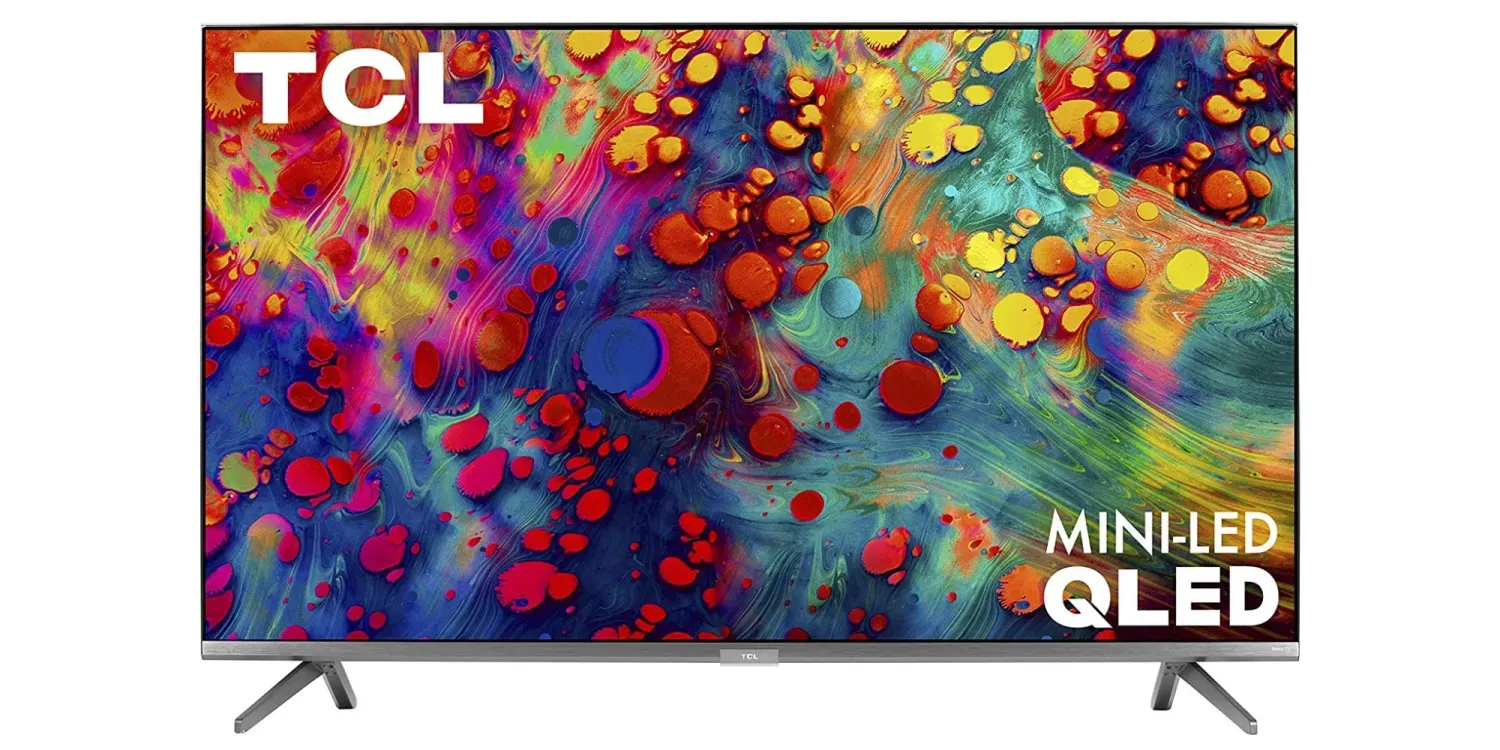
Photo: 9to5Toys
Which one should you buy
Buy OLED if: you watch movies or game in a dim room, want the best contrast, or have a wide couch where people watch from angles. It's the picture-quality king. Good examples: the LG C6 for most buyers, the Samsung S95H if you want the brightest OLED.
Buy Mini-LED if: your room is bright, you want near-OLED contrast without the premium price or burn-in worry, or you watch a lot of sports. It's the best value in TVs right now. Good examples: the TCL QM8, the Hisense U8 series, Samsung's QN90F.
Buy QLED or basic LED if: the budget is tight, it's a secondary room, or the TV will run static content (news, menus) all day. You get a perfectly watchable 4K picture for the least money.
Bottom line
Match the panel to your room, not the marketing. Dark room and movies? OLED. Bright living room and value? Mini-LED. Tight budget or all-day static viewing? QLED. Pick the one that fits where the TV actually lives, and you'll end up with the right screen.